


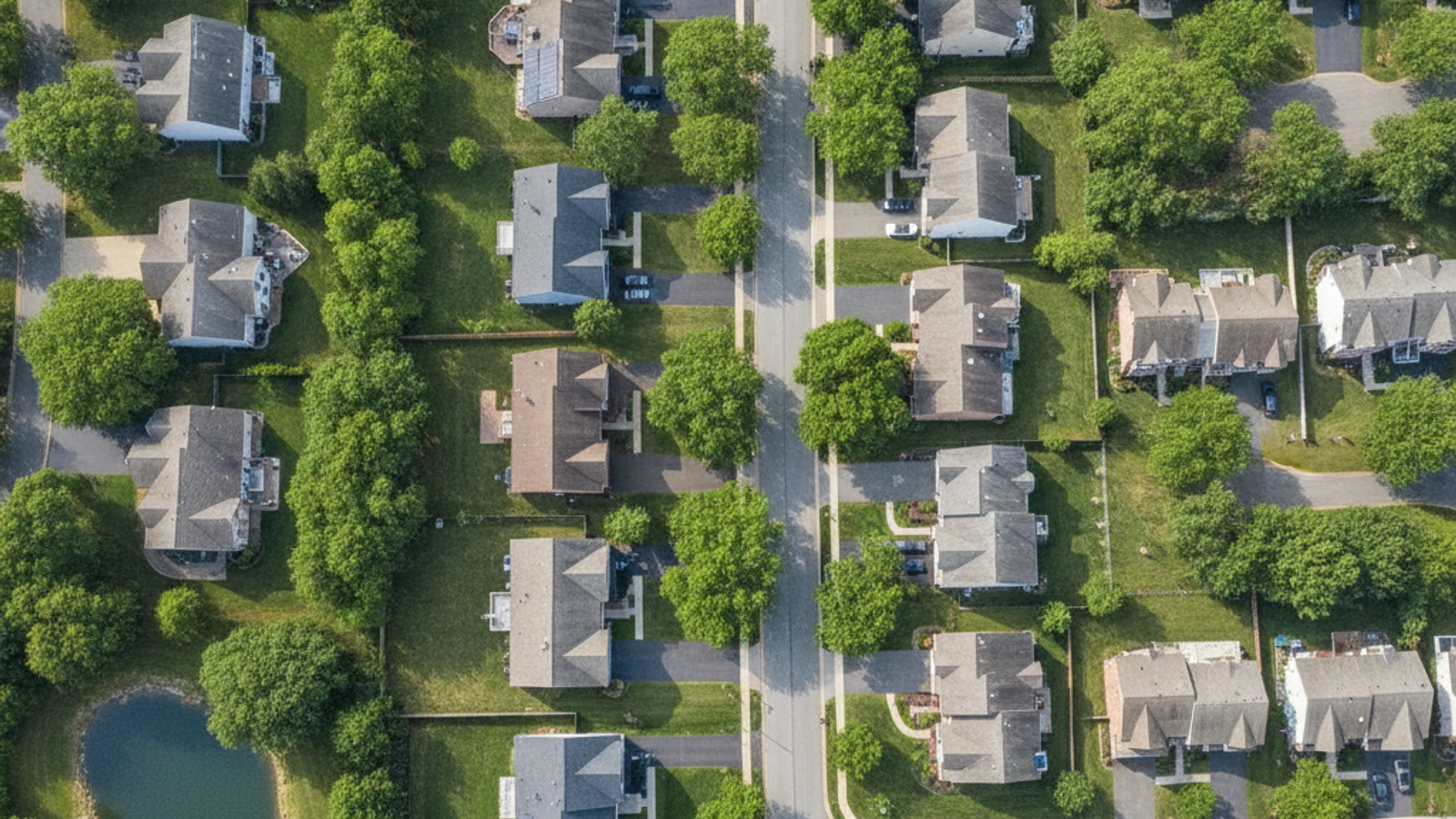
The median sale price for a home in Gaithersburg, MD sits right around $655,000 as of mid-2026. Properties are moving fast, spending roughly 30 days on the market before going under contract, making preparation essential for first-time home buyers in Gaithersburg, MD.
With about 40% of homes selling above list price, you need a firm grasp on your budget before you tour a single listing. Figuring out your real price range means looking past the sticker price to understand how local taxes, interest rates, and everyday expenses shape what you'll actually owe each month.
Understanding Home Affordability in Gaithersburg
The Gaithersburg market covers a real spread of price points. Recent MLS data puts the median sale price at $655,000, but other home value indices estimate the typical home value closer to $494,924, and various list-price metrics hover somewhere between $490,000 and $600,000. That gap usually comes down to which property types happened to close in a given month and which data model is doing the math.
Whichever number you focus on, your true affordability isn't the purchase price - it's the total monthly payment. That payment includes principal, interest, property taxes, and homeowners insurance. Before you settle on a target price, you'll also want to factor in local utility costs and any community fees tied to the property.
The Core Math: Income, Debt, and the 28/36 Rule
Lenders use the 28/36 rule to decide how much they're willing to put on the table. The first number means no more than 28% of your gross monthly income should go toward housing expenses. The second caps your total debt-to-income (DTI) ratio - housing costs plus all other recurring obligations - at 36%.
Underwriters check both figures. Staying close to those thresholds is what keeps enough money in your account for groceries, transit, and savings after the mortgage clears.
Calculating Your Gross Monthly Income
Gross income is what you earn before taxes and deductions come out - and that's the number lenders use for every affordability calculation. If you're salaried, it's your annual pay divided by twelve. If you're hourly, freelance, or self-employed, expect to hand over two years of tax returns so a lender can establish a reliable monthly average.
Factoring in Existing Debt
Every debt you're already carrying shrinks the mortgage you can take on. Lenders add up your student loan payments, auto loans, minimum credit card payments, and personal loans. Groceries, gas, and utility bills don't count - only obligations that show up on your credit report or are legally binding contracts affect your DTI.
Hidden Costs of Homeownership in Montgomery County
Montgomery County carries an effective property tax rate of approximately 0.87% to 0.89% of a home's assessed value - a touch below the Maryland state average of 0.92% to 0.95%. The percentage sounds moderate until you apply it to local property values. A typical homeowner here ends up with a median annual tax bill between $5,341 and $5,861, and those taxes are usually rolled into your monthly payment through an escrow account. Ignore them when you're running numbers, and a payment that looked comfortable on paper can get uncomfortable fast.
Property Taxes in Maryland
Maryland property taxes are assessed at both the state and county levels, with Montgomery County handling local collection. The county updates assessments every three years to reflect current market values, which means your assessed value may eventually move closer to what you paid. Don't assume your tax bill will look like the previous owner's - plan for it to go up.
Homeowners Insurance and HOA Fees
Lenders require homeowners insurance, and your annual premium gets divided by twelve and added to your monthly payment. Many neighborhoods in Gaithersburg also come with mandatory Homeowners Association (HOA) fees - monthly or quarterly - covering community maintenance, trash removal, and shared amenities. Your underwriter will include those fees in your DTI calculation, so they're not optional math.
Down Payments and Loan Options
Gaithersburg buyers have approximately 152 active listings to work with, and the loan you choose determines how many of those are realistically within reach. Your down payment size changes your loan amount, your interest rate, and whether you'll owe private mortgage insurance every month.
Putting down 20% eliminates PMI and keeps your payment lower. Plenty of buyers get into homes with much less down, though, using government-backed or specialized loan products. The right structure depends on your situation - comparing a few options side by side is the only way to see which one gives you the most comfortable monthly number.
FHA, VA, and Conventional Loans
Conventional loans are the most common in Montgomery County and can require as little as 3% to 5% down for qualified buyers, though PMI kicks in on anything under 20%. FHA loans allow 3.5% down and are more lenient on credit scores, which makes them a practical option if you're still building your financial profile. VA loans offer zero-down financing for eligible veterans and active-duty service members.
First-Time Buyer Programs in Maryland
The Maryland Mortgage Program (MMP), through the Department of Housing and Community Development, offers real help for eligible buyers. The 1st Time Advantage program provides competitive 30-year fixed interest rates for first-time homebuyers. MMP also includes Down Payment Assistance (DPA) in the form of a deferred loan of up to $5,000, plus a Partner Match program that matches employer or builder funds up to $2,500.
There's also the Maryland SmartBuy initiative, which lets buyers of select state-owned homes use MMP financing to pay off outstanding student debt. To use any of these programs, you'll need to complete a homebuyer education course and work with one of the state's 120-plus approved MMP lenders.
Frequently Asked Questions
What annual salary do I realistically need to afford an average-priced home in Gaithersburg, MD?
It depends on your down payment and what debt you're already carrying. With a median sale price around $655,000, most buyers need a six-figure household income to keep housing costs under 28% of gross pay. A lender can give you the exact salary target once they've looked at your full financial picture.
How do Montgomery County property taxes and local HOA fees impact my monthly housing budget in Gaithersburg?
They raise your required monthly payment, which effectively lowers the maximum loan you can borrow. Montgomery County's median annual property tax runs between $5,341 and $5,861, and any mandatory HOA fees get added into your debt-to-income ratio by your underwriter - neither one is optional in the calculation.
Are there any Maryland first-time homebuyer programs that can increase my purchasing power in Gaithersburg?
Yes. The Maryland Mortgage Program (MMP) has several options, including the 1st Time Advantage loan and Down Payment Assistance (DPA) of up to $5,000. Reducing your upfront out-of-pocket costs means more cash available at closing or for the move itself.
If a single-family home is out of my budget, how much more affordable are townhomes and condos in the Gaithersburg area?
Attached properties typically carry a lower purchase price than detached homes, but they come with their own costs. Condo and HOA fees are mandatory and will be factored into your debt-to-income ratio, so make sure you're comparing total monthly payments, not just sticker prices.
How much should I set aside for closing costs in Gaithersburg so it doesn't unexpectedly eat into my down payment funds?
Closing costs generally run between 2% and 5% of the purchase price. On a median-priced $655,000 home in Gaithersburg, that means budgeting for several thousand dollars in loan origination fees, appraisals, and local taxes due at the closing table - on top of your down payment.
How does the current Gaithersburg real estate market affect whether I should bid at or below my max affordability limit?
With homes averaging just 30 days on the market and about 40% selling above list price, you're working in a competitive environment. Bidding at your absolute ceiling leaves you no room if a bidding war develops - looking at homes a step below your maximum gives you something to work with.